Separate the shape from the construction
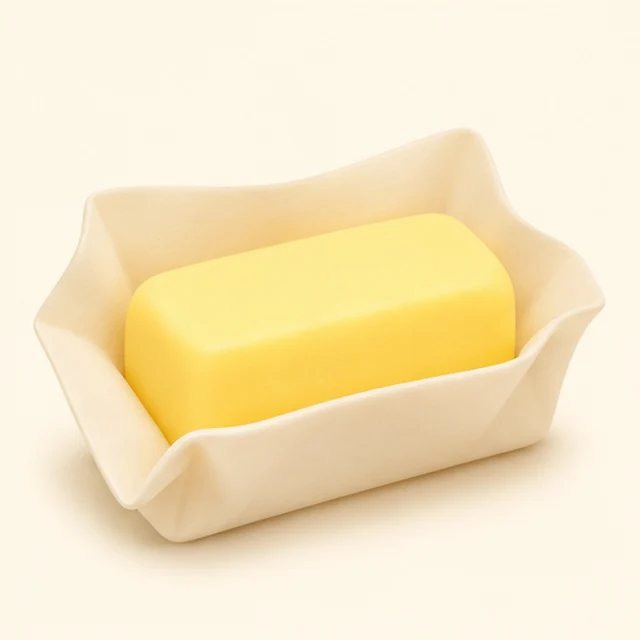
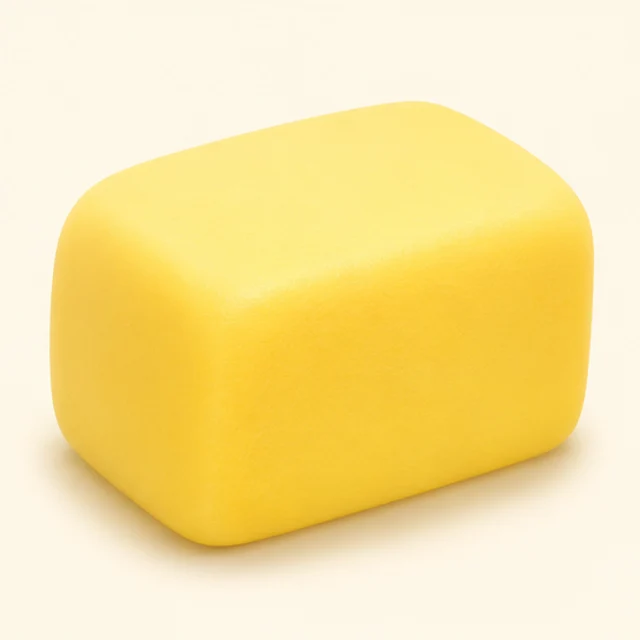
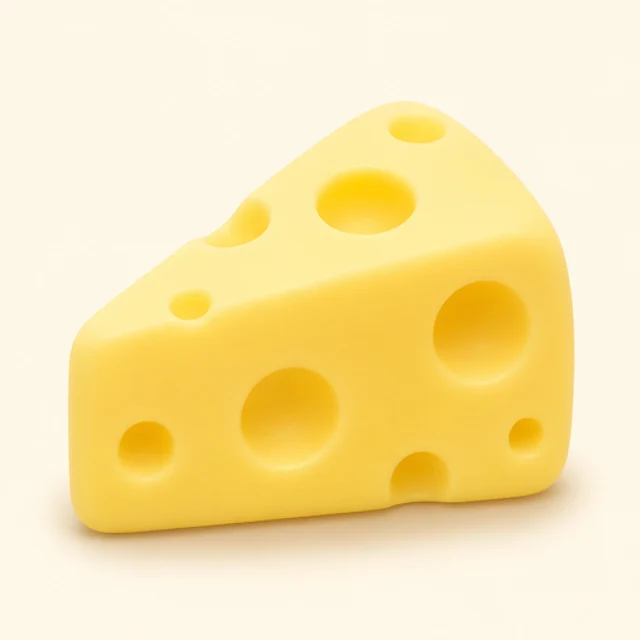
Butter squishy and food squishy are shape descriptions. Foam, silicone, and rubber-like materials describe different construction possibilities. A seller should identify the actual material rather than leave you to infer it from the image.
The ACCC describes squishy toys as products that may use foam, rubber, or silicone. That broad category description does not identify any particular toy on this site.
Ask for observable details
Instead of asking only whether a toy is soft, ask whether the surface is smooth or textured, whether there is a separate filling, and whether the seller can show the exact variant in use. These questions produce a clearer comparison.
Our original illustrations cannot show firmness, tackiness, resistance, or recovery time. We have not handled the listed toys, so we do not publish touch-based scores or personal impressions.
Distinguish the shell and filling
Some squeeze toys have an outer layer and a separate filling. If so, ask about both. A material listed for the outside may not describe what is inside.
Schylling’s FAQ gives specific composition information for named NeeDoh models. This is an example of product-specific documentation, not a specification for butter-shaped toys or every product in the brand.
Use the material information responsibly
Material names can help you ask better care questions, but they are not a complete cleaning method. Follow the manufacturer’s product instructions rather than applying a rule to every toy in a broad material category.
Avoid universal claims such as allergy-safe, indestructible, or safe for all ages. Those claims need evidence for the exact item and intended user.
Record what is actually known
Write down the manufacturer’s material statement and link to its source. Mark anything you have not verified as unknown. If texture is your main priority, a return policy or an opportunity to inspect an exact product may be more useful than a descriptive adjective.
A useful next step
Keep comparing with our Butter Squishy beginner’s guide, our buying checklist, and our side-by-side comparisons. Read how we research for the evidence behind our pages.
A few good questions
Can I identify silicone from a photo?+
A photograph alone does not reliably establish the material. Ask for the maker’s specification.
Does soft mean safe for every age?+
No. Follow the exact product’s age label and warnings.
Sources & further reading
Manufacturer instructions apply only to the named product. We do not treat a retailer’s claims as independent testing.